
Booking a surf camp should feel like the easiest decision you make all year. Sunshine, waves, a group of women who’ll become your new best friends by day three. Exciting, not risky.
Is the Surf Camp Industry Regulated?
Here’s the slightly less glamorous truth though, the surf travel industry has no universal regulator, no official rulebook, and no governing body checking who’s allowed to call themselves a “surf camp.” Anyone with a van, a few boards, and a nice Instagram grid can set one up tomorrow. Most are brilliant. Some genuinely are not. And the difference between the two often comes down to things you’d never think to ask about, until you’re already standing on the beach wondering where exactly your instructor’s qualifications went.
Is Surfing a Dangerous Sport?
And here’s some good news to put your mind at ease: surfing is actually a really low-risk sport. The injury rate sits at roughly 2.2 injuries per 1,000 hours in the water, which is refreshingly low compared to most other active sports. The main factor that does make a difference is experience, beginners are more likely to pick up a knock than seasoned surfers, which is exactly why proper coaching matters so much. Get the right guidance from day one, and you’re already stacking the odds firmly in your favour.
Why So Many Women Arrive With Us Already Feeling Nervous
Here’s the bit that really stopped us in our tracks though. Over the last few coaching weekends, when we got chatting with guests, we realised that around half the women joining us had already had a bad experience at another surf camp before finding us. Not just a mediocre one, a genuinely bad one, the kind that puts you off getting back in the water at all. That’s not a small number. That’s basically one in every two women stepping onto the beach already carrying some nervousness that shouldn’t be there.
So, health and safety isn’t the fun part of running surf trips. But it’s the part that actually matters most. Here’s exactly what to look out for before you hand over a deposit, whoever you end up booking with.
Red Flag 1: Nobody Can Tell You Who’s Actually Teaching You
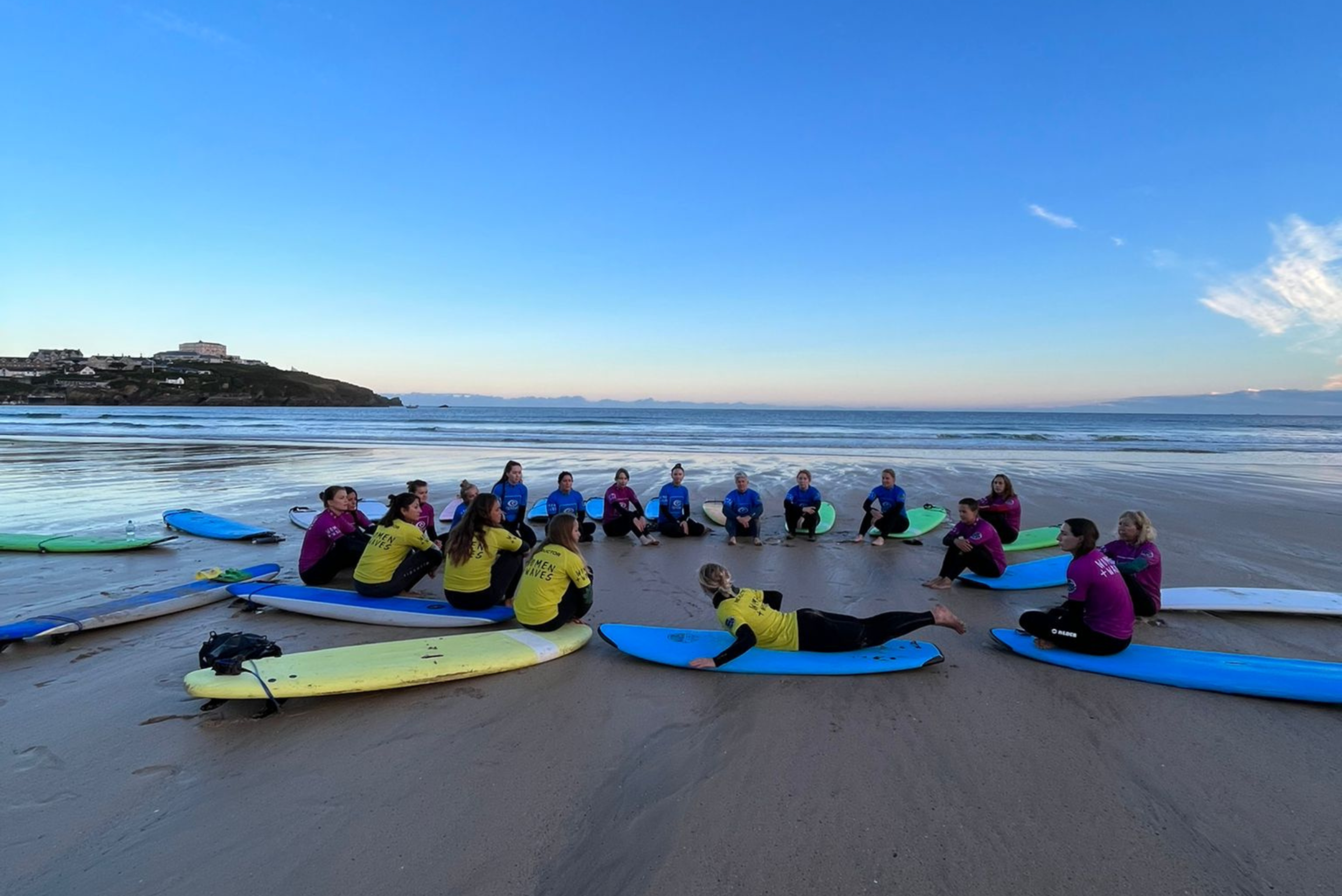
If a company goes vague the second you ask who’s coaching, what they’re qualified in, or whether they even hold a certificate, that’s your answer right there. We’ve heard the horror stories, instructors just shoving beginners into wave after wave with zero positioning or guidance, multiple students in the water at once, nobody watching closely enough to stop a collision before it happens.
Ask directly: what qualifications do your instructors hold, and how often are they retrained? Many camps use freelance instructors from a local ‘pool’ of surf guides. It’s a matter of who is available for work on the day that you are visiting that determines the instructor who will look after you. So the consistency of safe delivery is impossible to maintain. A reputable camp will answer instantly and happily, because they’re proud of it.
We hold health and safety meetings every single Monday morning, religiously. Our instructors are trained multiple times a year, not just onboarded once and left to fend for themselves. Every instructor attends regular health and safety training covering new regulations, and we review learnings after every single event and trip, whether it was a minor scrape or a near miss, everything gets looked at. We also make sure our coaching keeps evolving beyond industry standard, because “good enough” has never really been our thing. We also have an in-house Health and Safety co-ordinator who works with the governing bodies, our insurers and industry experts to manage best practice for us.
Red Flag 2: Vague Answers About Insurance
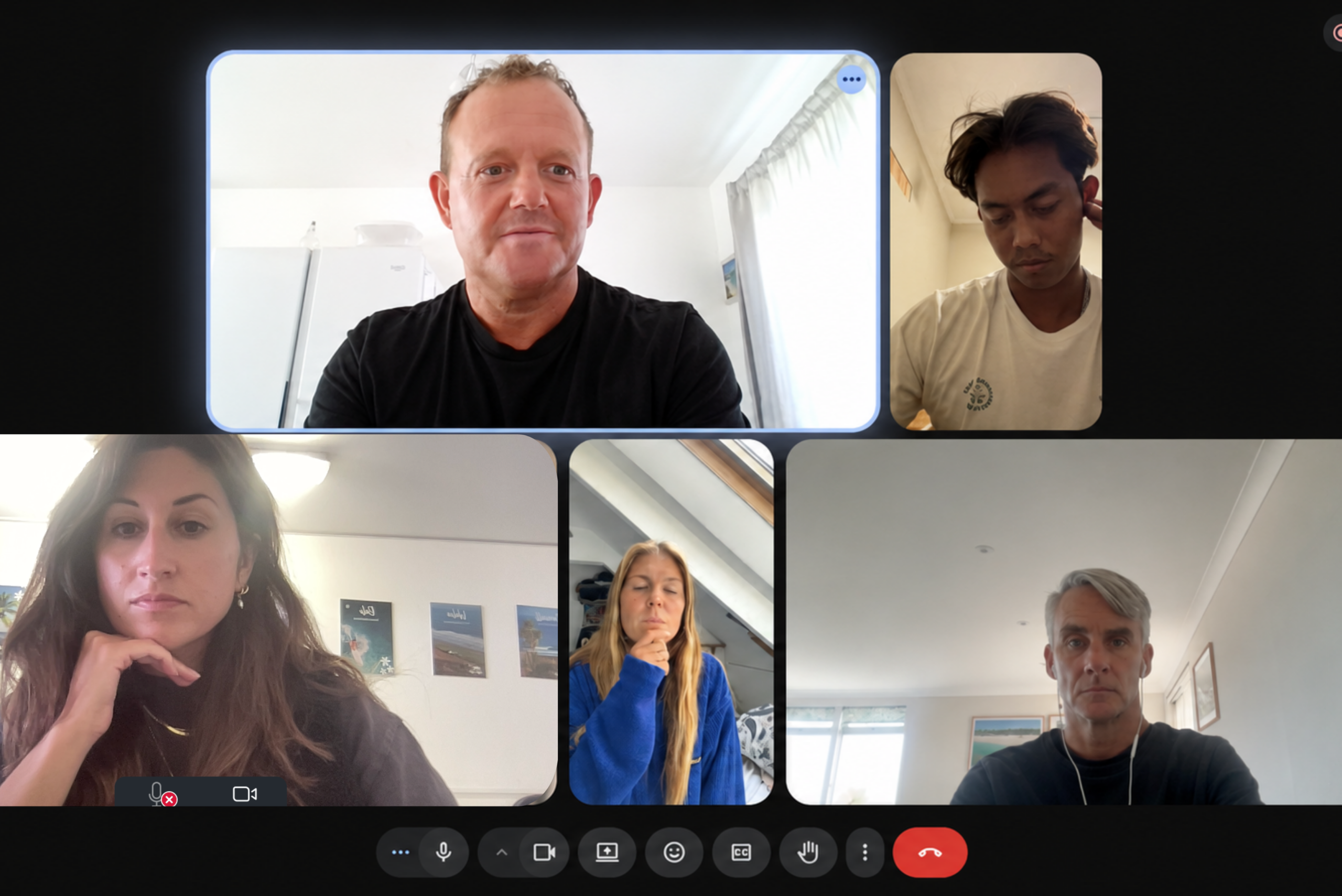
This one’s simple. Ask if the company is fully insured, and ask to see confirmation if you’re not sure. Hesitation here is one of the clearest signs to walk away, full stop.
We’re fully insured across every single trip we run, properly, not a tick-box policy shoved in a drawer somewhere. And if something goes wrong before your trip even starts, we’ll do everything we can to help you claim on your own travel insurance too.
We have £5 million pounds public liablity cover, it’s one of our biggest annual expenses. But we won’t budge on having the best on the market so that everyone has piece of mind.
Red Flag 3: No Real Relationship With Local Instructors or Communities
A camp that’s just passing through doesn’t have the same stake in doing right by the people who actually live there. Ask: how long have you worked with your local team, and are they paid fairly and on time?
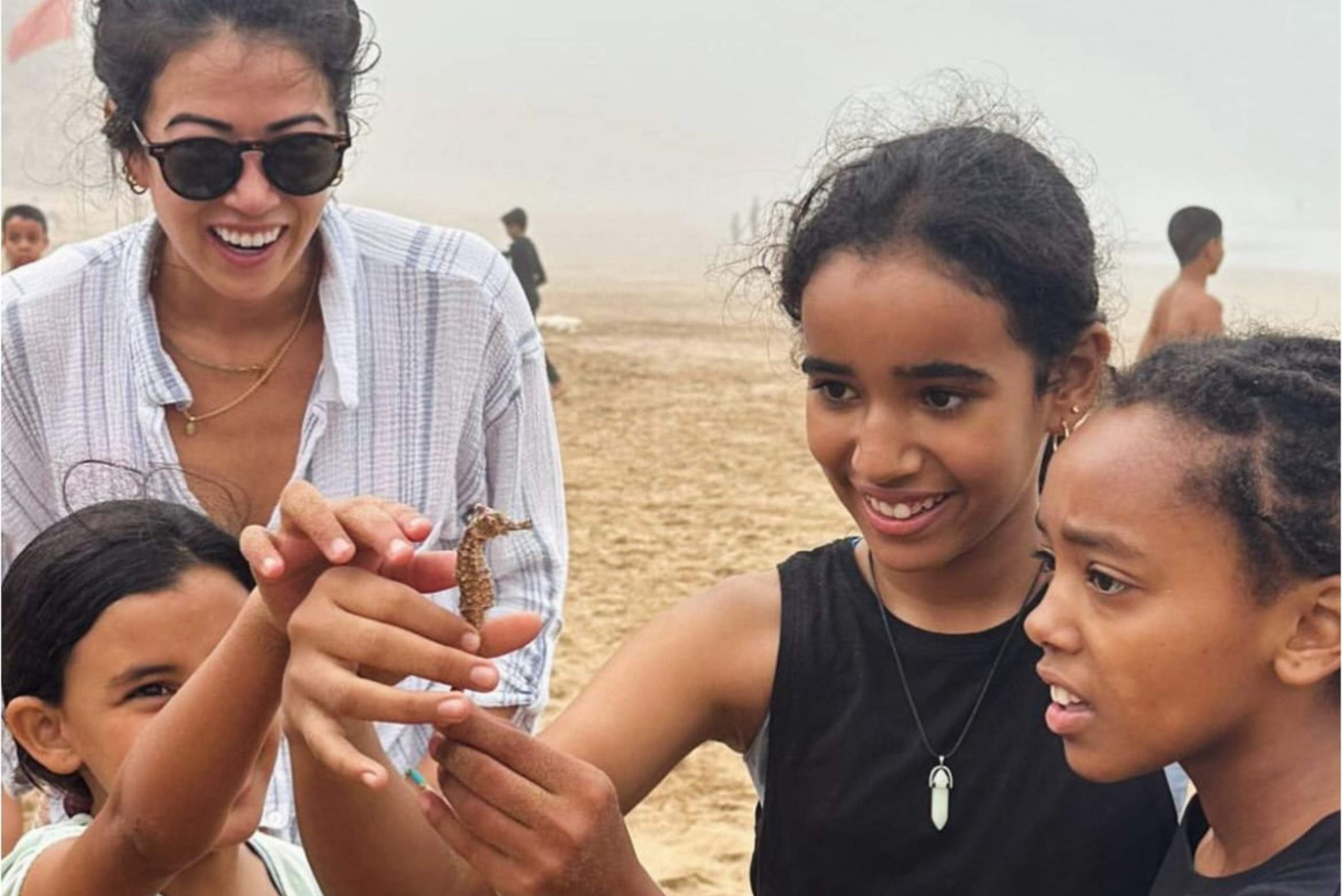
We’ve operated in our locations for decades and built genuinely strong relationships as a result. It also means we get to give back properly, not just talk about it. On our Bali Island Retreat, we work with Mossy Earth on reef restoration projects and support a local orphanage. In Barbados and Morocco, we teach local children to surf, kids who wouldn’t otherwise get the opportunity. It’s one of the most magic parts of what we do, and honestly, one of the things we’re proudest of.
Red Flag 4: No Transport Accountability
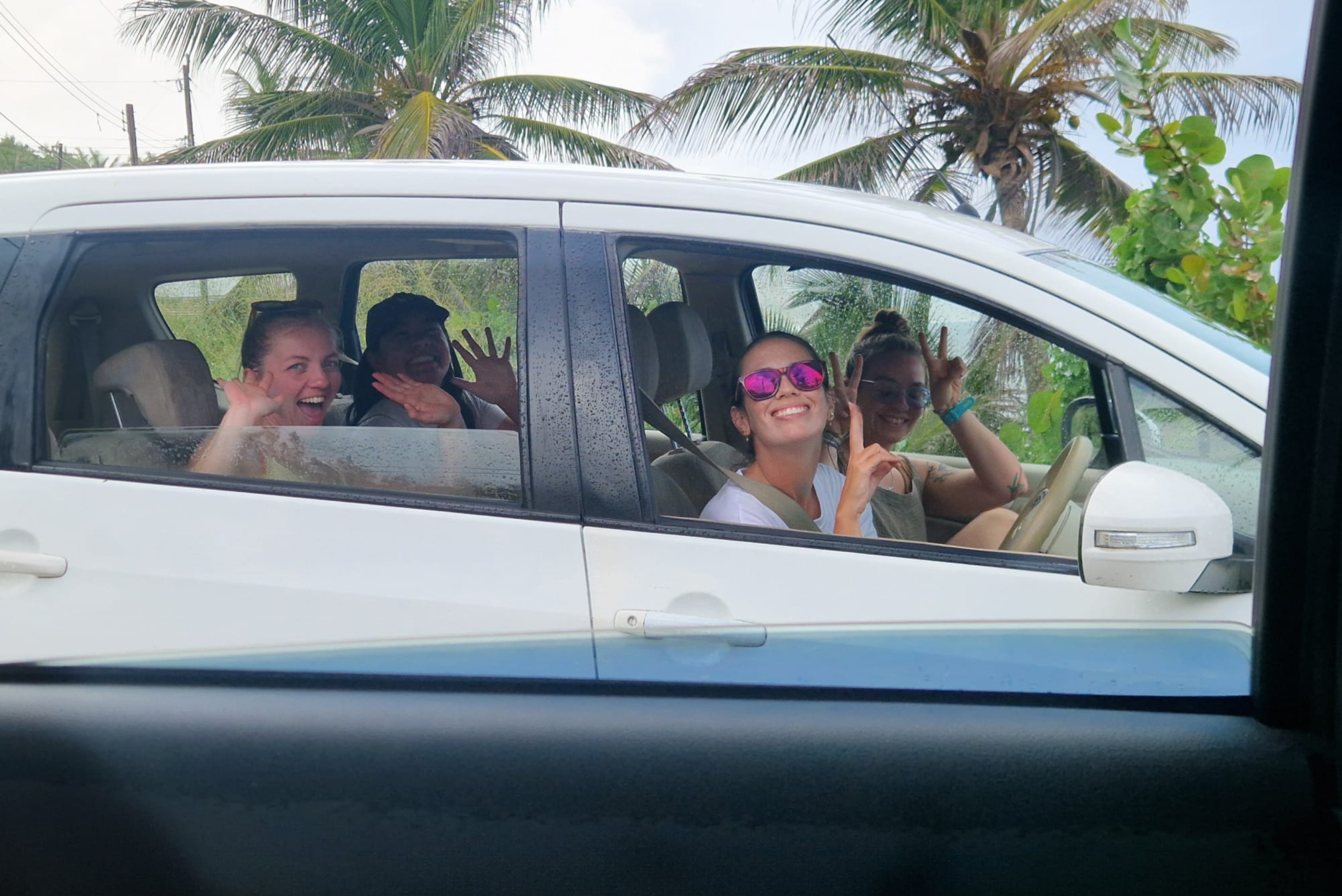
Do you actually know who’s driving you from the airport? You should. Ask: are transfers arranged with known, trusted drivers, or are you left to sort your own on arrival with a shrug and a “good luck”?
We know our drivers personally, and we track your flights, so if anything changes, delays, cancellations, whatever, we already know before you’ve even landed. You will never be left stranded on our watch. We even send you an arrival video of what to do when you arrive at the airport so you know exactly what to do and who to look out for.
Red Flag 5: No Real Local Weather or Safety Knowledge
Anyone can post a stunning photo of a perfect wave. Not everyone has actually earned the right to promise you’ll see one. Ask: how long has this company operated in this specific location, and how do they choose their dates?
We pick our destinations and dates based on years, sometimes decades, of monitoring weather patterns and swell forecasts at that exact time of year. That’s not guesswork, it’s the reason we can genuinely say “you’ll likely get good waves and good weather,” rather than just hoping for the best on your behalf. Historical swell and weather data are poured over. We ALWAYS visit during the same period, a whole year before we launch a trip. We want to experience what you will experience. If it’s not perfect, we won’t go forward.
Red Flag 6: No Real Paperwork, Risk Assessments, or Emergency Plans
Here’s a fun question to drop into your next surf camp enquiry: “Do you have risk assessments and emergency operating procedures in place?” Watch how quickly the vibe changes.
We have our very own Health and Safety Officer, Nigel, whose entire job is making sure our paperwork is watertight (pun very much intended). Every classroom, every beach, every camp abroad, all risk assessed with proper emergency operating procedures behind them. On the day itself, we complete a fresh daily risk assessment too, has a new rock been exposed? Has anything changed since yesterday? Because conditions shift, and we need to be ahead of it, not catching up. We also brief every guest on the nearest pharmacies and hospitals before you even arrive, and our whole team is trained to know exactly what to do if a situation doesn’t go to plan.
This isn’t here to scare you. It’s here so you know that long before you arrive, everything’s already been thought through, tested, and improved off the back of real experience, not just written up once and forgotten.
Red Flag 7: No Clear Cancellation Policy
A proper cancellation policy isn’t a company protecting itself at your expense, it’s what allows everyone in the group, and the business behind it, to stay safe, fairly treated, and properly resourced. If a company can’t clearly explain their cancellation terms upfront, that’s worth noting before you book.
Red Flag 8: No Investment in Training Their Own Instructors
Here’s one most people never think to ask: where did your instructors actually come from? A lot of camps simply hire whoever’s available locally, no in-house training, no shared standard, no real oversight of how they were taught to teach in the first place.
We do things differently. Women + Waves is part of a wider group of businesses that includes our own Intensive Surf Instructor Course, run alongside Newquay Activity Centre. Key members of our team, like Hatty and Phoebe, have been trained with us from the very beginning, not just in surf instruction, but in photography, surf skating, adaptive coaching, and more. It’s a genuine feather in our cap, and honestly, not many other camps can say the same.
If you’re curious what that training actually looks like, you can take a look at our Intensive Surf Instructor Course here.

Red Flag 9: No Real Track Record
Ask: how long have they actually been operating? Quality stands the test of time. A camp that’s lasted years, or decades, has earned that longevity by doing things properly, showing up trip after trip, season after season, not by getting lucky once and riding an Instagram wave (pun intended).
We started as a surf club back in 2017, and have been operating and delivering camps since 2019. But between our founders, we’ve actually been running surf camps for decades, this isn’t a business built overnight, it’s built on years of real, hands-on experience. We’re part of a business group that has been running for over 25 years.
Red Flag 10: No Clarity on Equipment Standards
What boards, leashes, and wetsuits do they actually use, and how often are they maintained or replaced?
A surfboard is safety equipment, not just a fun accessory. If it fails, it can leave you out of your depth with nothing reliable to keep you afloat. A waterlogged board, a damaged fin, dings, or peeling foam don’t just look a bit rough, they genuinely make surfing harder and less safe.
Leashes need good quality velcro and a cord free of nicks or knots. And wetsuits are sneaky, a suit that’s a few seasons old might still look perfectly fine, but the seams are often leaking by that point, which stops it doing its actual job of keeping you warm and buoyant.
Ask: how regularly is the kit checked? What range of board sizes do you offer? And is the equipment updated on a regular cycle, or just replaced when something visibly breaks?
It’s not an unreasonable question to ask, and a company confident in their kit will answer it happily.
At Women + Waves, we review all our kit after every single event, so it either gets fixed, replaced, or thrown away, nothing left to chance. Before every trip, we also go through everything again to make sure it’s up to standard, replacing anything that needs it before guests even arrive.
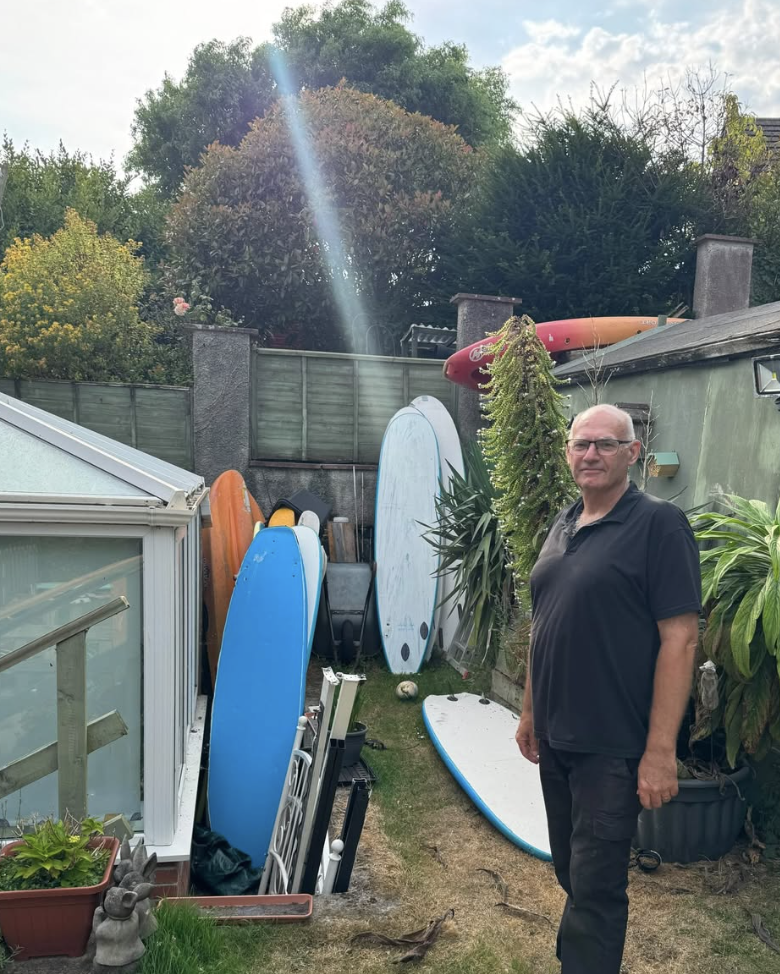
We’ve even got our trusty Nigel from health and safety, who’s become our unofficial local handyman, fixing and maintaining equipment wherever possible rather than binning it at the first sign of wear. It’s not just about safety either, it’s better for the planet too. Repairing equipment instead of replacing it means less waste ending up in landfill, our wetsuits go straight to the Wave Project where they are re purposed or re sold to help fund that great charity. it’s a small but genuine part of how we try to operate more sustainably as a business, alongside our reef restoration work in Bali and community projects in Barbados and Morocco.
So, What Should You Actually Be Asking Before You Book a Surf Camp?
- Are your instructors qualified, where do they come from and how often are they retrained?
- Are you fully insured, and can you prove it?
- How long have you worked with your local team, and how are they treated and paid?
- Who’s driving me, and are my flights being tracked?
- How long have you operated in this location, and how do you choose your dates?
- Do you have risk assessments and emergency procedures in place?
- What’s your cancellation policy, and is it clearly written down anywhere?
- How regularly is the equipment checked?
- How long have you been operating for?
If a company can answer all seven of those confidently and happily, that’s an excellent sign. If they dodge, waffle, or go quiet, that tells you everything you need to know before handing over a deposit.
For the fuller picture, we wrote out exactly what sets a trusted surf brand apart a while back, 15 Reasons to Book Your Surf Trip With a Trusted Brand, worth a read before you book anywhere, not just with us.
If You’ve Had a Bad Experience Before, We Want to Change That
If you’re one of the roughly 50% of women who’ve already had a rough time at another surf camp, we want you to know something, that experience doesn’t have to be the story you tell about surfing. It’s not you. It’s not your fitness, your age, or your ability. Most of the time, it’s simply that you weren’t in the right hands.
We’ve built Women + Waves specifically to rewrite that story. Proper coaching, real safety standards, and a community that will never make you feel rushed, judged, or unsafe in the water. So many of our guests arrive nervous, sometimes visibly shaken from a past experience, and leave with genuine confidence and a love for surfing they didn’t think was possible anymore.
If that’s you, we’d love the chance to make it right. Come and see what surfing feels like when it’s done properly.


