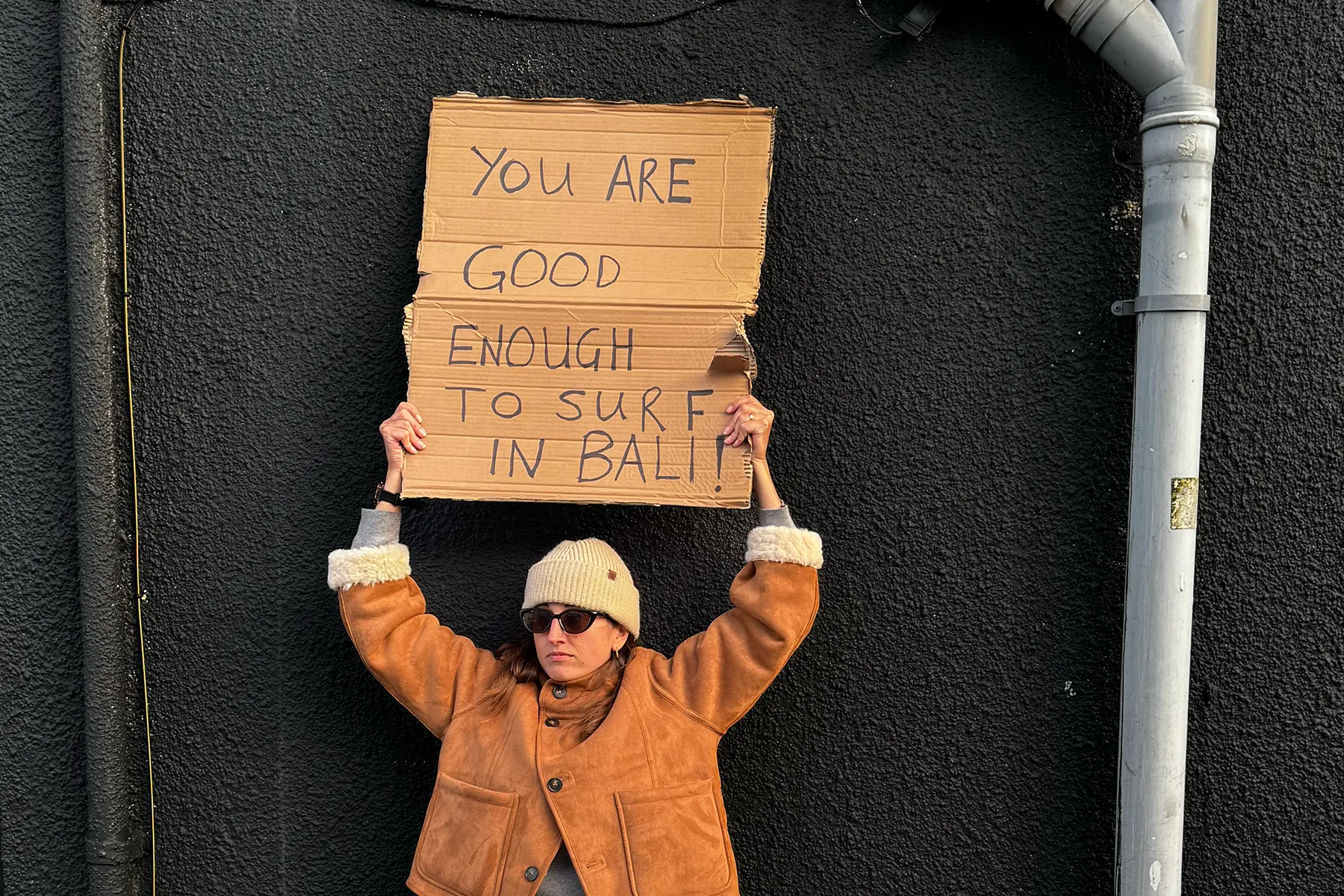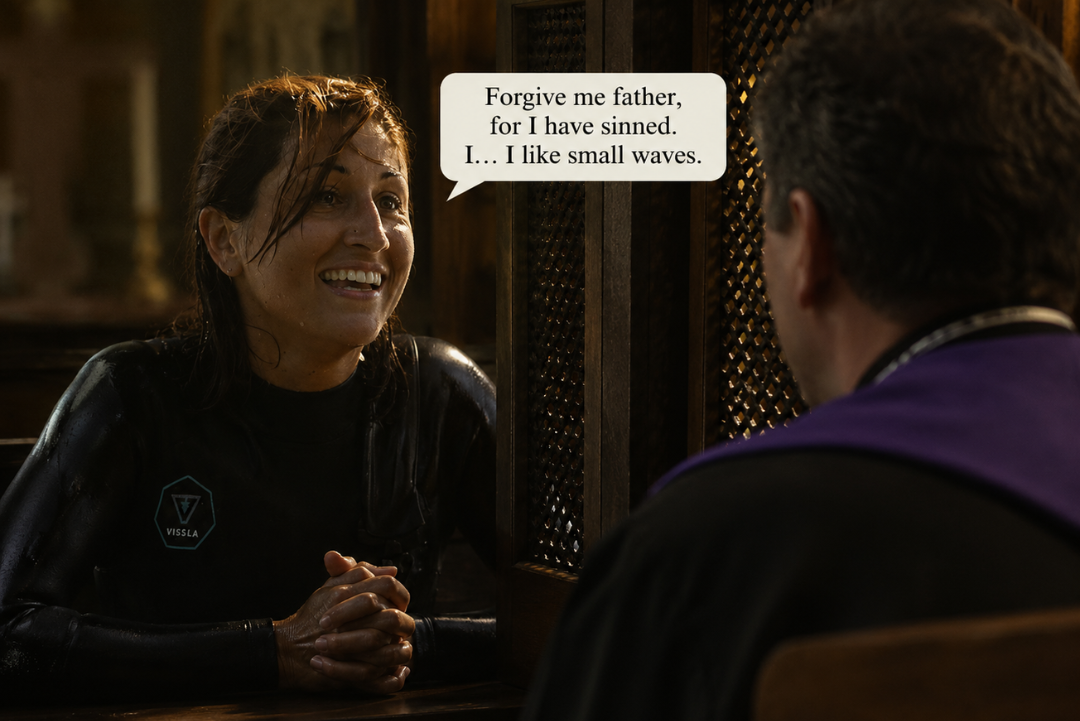
Let me tell you something nobody really says out loud in the surf world.
Small waves are underrated, underestimated and quite frankly brilliant.
There. I said it.
For years I thought the whole point of surfing was to work your way up to bigger and bigger waves. That was the goal, right? That was how you proved yourself. That was how you became a “real” surfer.
So I pushed myself. France. The Canaries. I paddled out on days that made my stomach drop, days when every fibre of my body was screaming at me to stay on the beach. And I had a couple of genuinely scary moments that knocked my confidence sideways. I remember sitting out the back on a big day, heart hammering, watching sets roll through and just… not catching anything. Frozen. Overthinking every single wave. Where had the joy gone? Where had I gone?
It took me years to figure out what happened, and even longer to make peace with it.
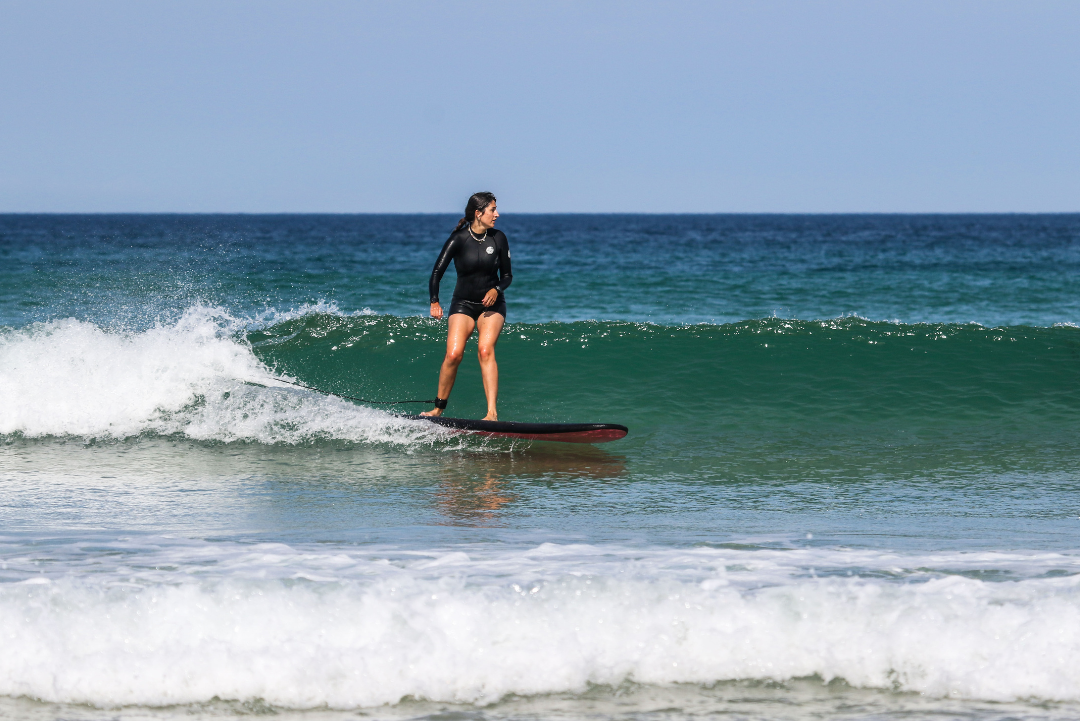
My version of a good surf day looks like this: 2-3ft, clean lines, mid tide. Sunshine optional but appreciated. A group of mates in the water. Nowhere to be. That is my pumping. That is my perfect session. And I live my absolute best life in it.
My Australian husband? His pumping is hollow barrels at low tide. His “small” is my “terrifying.” His “fun little day” is the day I’m sitting on the beach with a coffee watching him and thinking absolutely not. This has caused more than a few arguments over the years, and I won’t pretend it still doesn’t. Wave size is deeply, completely subjective, and the sooner we all stop comparing our versions of fun, the happier we’ll all be in the water.
Somewhere along the line something just clicked for me. Maybe it was because I run a surf brand and felt like I had to prove something, to the industry, to our guests, even to myself. But I stopped. I stopped needing to prove anything. I stopped people-pleasing the surf. I don’t have to chase what anyone else is chasing. My big day might be your small day. My small day might be your dream session. And both of those things are completely, totally fine.
Now I have a child, the days I actually get to surf are precious. The last thing I want to do is spend them sitting out the back, scared, not catching anything, beating myself up about it afterwards. Give me a fun, cruisy, small wave session every single time. My surfing looks better, I smile more, and I come home actually wanting to go back.
So this one is for everyone who has ever thought they weren’t a real surfer because big waves aren’t their thing. You are. And you’re probably having more fun than the person heroically sitting out the back not catching anything.
My Dream Session
If I could hand-pick every single element of a perfect surf, it would look something like this.
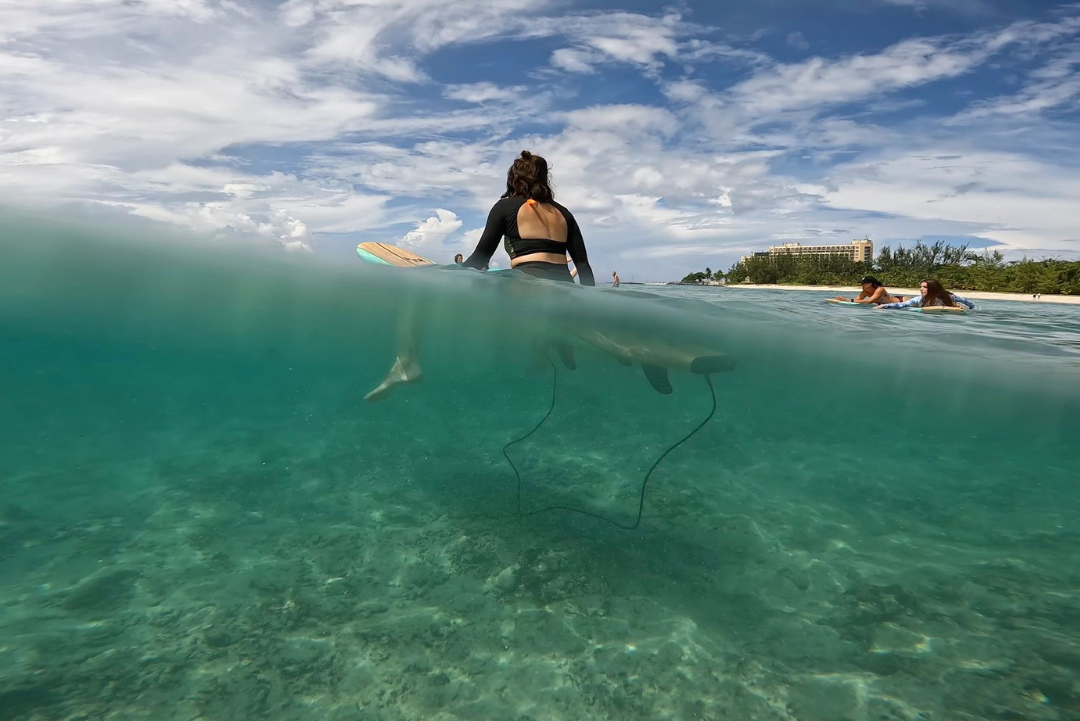
It’s early. The kind of early where the light is still soft and golden and the world hasn’t quite started yet. I’m at Freights Bay in Barbados, paddling out on my mid-length, and I’m not alone. There are other women out there, same vibe, same energy, all of us quietly grinning at the fact that this is somehow real life.
The water is that ridiculous shade of clear blue that doesn’t look real in photos but somehow looks even better in person. It’s warm. Properly warm. And there are turtles. Just casually existing, completely unbothered, doing their thing while we do ours.
The waves? Waist to chest high, peeling beautifully, forgiving enough to play on but with just enough face to actually surf. Nothing intimidating. Nothing that makes your stomach drop before you paddle. Just wave after perfect wave, exactly the kind I’ve spent years learning to love.
That’s my dream session. Not overhead barrels. Not a crowd of rippers. Just clean, warm, waist high waves, good company, and a turtle or two for luck.
The good news? It’s not actually a dream. Women + Waves runs trips to Barbados and Freights Bay is very much on the itinerary. If that sounds like your kind of surf too, you might want to take a look.
What’s the Best Board for Small Waves?
Choosing the right board makes a huge difference on a small wave day. Here’s a quick rundown of the best options:
Longboard
The longboard is the undisputed king of small wave surfing. More volume means more float, which means you’re catching waves earlier and riding them longer than anyone else in the lineup. On a tiny day when shortboarders are struggling, the longboarder is having the time of their life. You can noseride, cross-step, hang five, hang ten, trim beautifully across the face and generally look like the coolest person on the beach. If you haven’t tried longboarding yet, a small wave day is the perfect place to start.
Midlength
If the shortboard feels too twitchy and the longboard feels like too much of a commitment, the midlength is your sweet spot. Usually sitting between seven and eight and a half feet, a midlength gives you the glide and flow of a longer board with a little more manoeuvrability thrown in. On a small wave it absolutely sings. You can trim, turn, cross-step if you fancy it, and generally look like you know exactly what you’re doing even on a two foot day. It’s the board that makes everything feel a little more effortless. Look for a board between 6’10-8ft.
Mini mal
The minimal is the midlength’s slightly chunkier cousin and honestly one of the most underrated boards out there. A bit wider and thicker than a midlength, it gives you even more stability and paddle power, which makes it brilliant for anyone building confidence or getting back into surfing after a break. On a small day a mini mal is incredibly forgiving and ridiculously fun to ride.
Foamie (Soft Top)
The foamie has had a serious glow-up and we are completely here for it. Once written off as a beginner’s board, the soft top is now the weapon of choice for surfers who just want to have an absolute blast in the water. They’re forgiving, floaty, fast into waves and genuinely so much fun on a small day. No ego, no performance pressure, just pure joy. Some of the best surfers in the world ride foamies for fun, and if that’s good enough for them, it’s good enough for us.
What Can You Actually Do in Small Waves?
Honestly, more than you think. Here’s your small wave fact file:
Longboarding
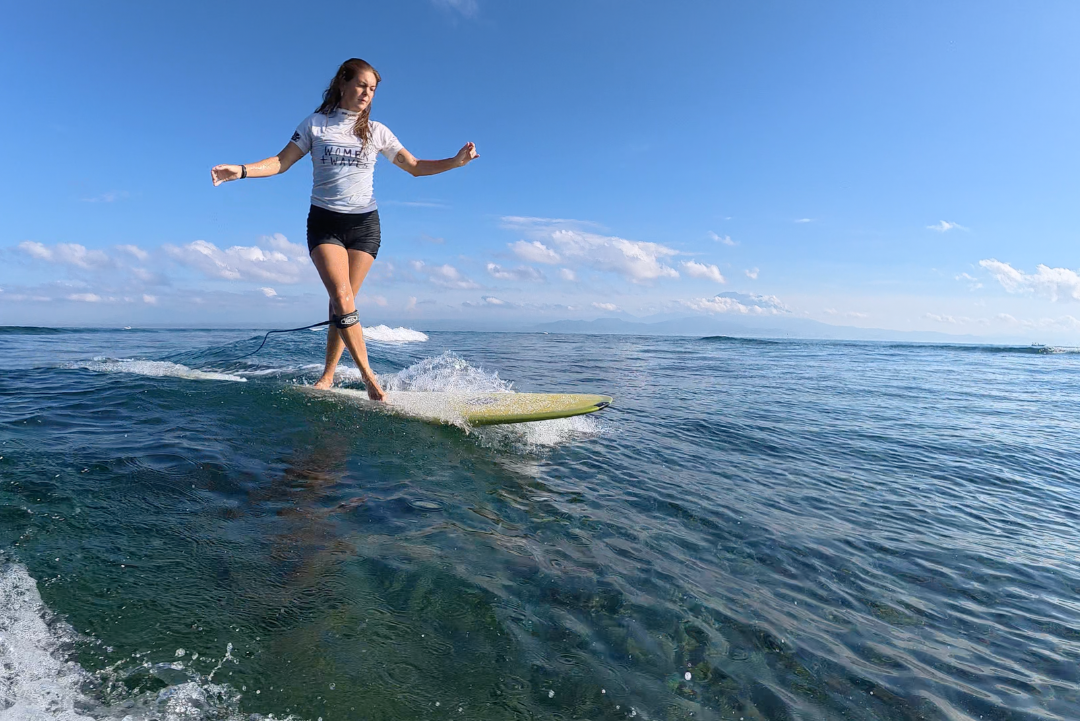
Small waves were made for longboards. More foam, more float, more fun. You can noseride, cross-step, hang five, hang ten, and generally look incredibly cool while doing very little. If you haven’t tried longboarding on a mellow day, put it on your list immediately.
Pumping Down the Line
Generating speed through your turns even on a small wave is one of the most satisfying feelings in surfing. It takes skill, timing and good body position, and small waves are the perfect place to practise it properly. A great technique to master alongside this is the oomph turn, a dynamic little move that helps you generate speed and get back to the peak quickly, especially useful on smaller waves where every bit of momentum counts. This video on speed-boosting manoeuvres breaks it down brilliantly and is well worth a watch before your next session.
Cutbacks
A good cutback on a small wave is a thing of beauty. You don’t need size for this, you need timing, flow and commitment. Smaller days are ideal for drilling these until they feel automatic.
Floaters
Yes, you can do floaters on small waves. The lip might be tiny but the technique is the same, and landing one cleanly on a two foot wave is just as satisfying as a big day version.
Trim and Flow
Sometimes the most advanced thing you can do is just trim beautifully across a wave, finding the speed line and riding it with style. It never gets old. The secret is learning to move your feet dynamically rather than staying stuck in one position. Shifting forward accelerates you down the line, shifting back helps you control speed and turn. It sounds simple but it transforms your surfing. If you want to drill this properly, this video on foot movement is brilliant and breaks it down really clearly.
Bodyboarding
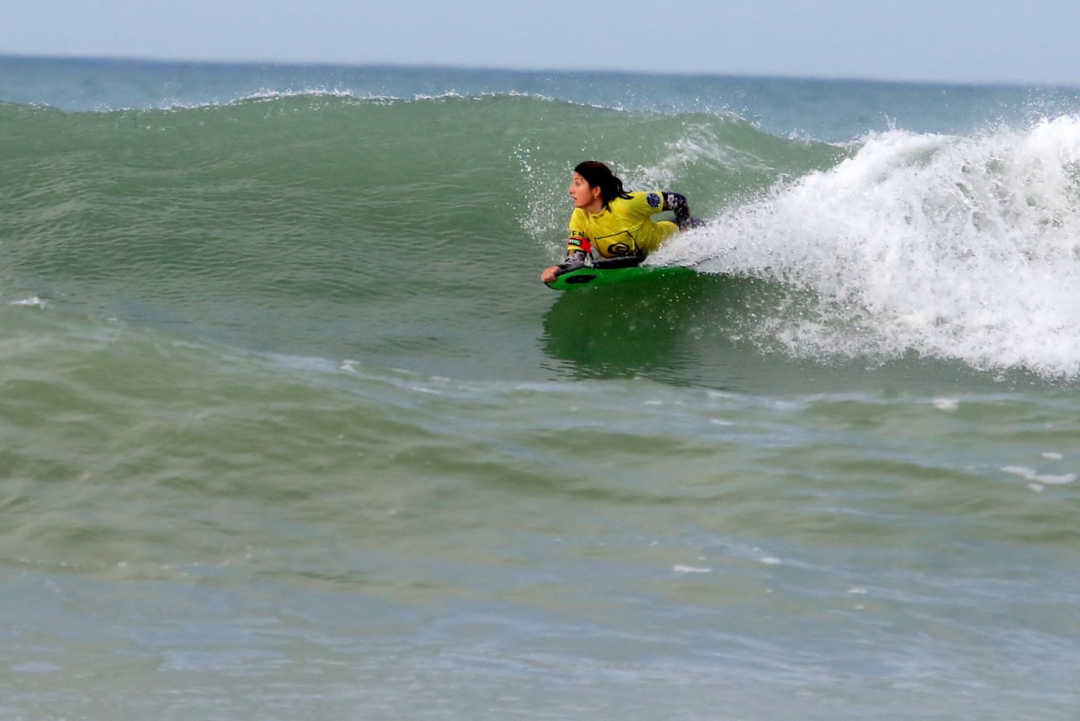
Big day? Grab a bodyboard and have the time of your life. Small day? Grab a bellyboard! Honestly bodyboarding and bellyboarding are criminally underrated and on a small fun day they are pure joy. If bodyboarding has been on your radar, we actually run dedicated Bodyboard Coaching Weekends in Newquay where you can properly learn the ropes with a great group of women. It’s great for building confidence as well.
Small Wave Tricks
Close-out sections on small waves are actually perfect for working on your snaps/re-entries and fins-free slides. No judgement, no pressure, just you and a crumbly little wave doing whatever you like with it. Not sure what some of these look like? This video breaks each one down so you can see exactly what we mean.
How to Make Small Waves More Fun
Small waves are what you make of them. Here are a few simple things that can completely transform a flat-looking day into a session you actually remember:
Surf Closer to the Peak
The further you sit from the peak, the less wave you have to work with. Positioning yourself closer to where the wave is breaking gives you more face to play with, more speed and more options. It takes a bit of confidence but it makes a huge difference.
Go Faster Into the Wave
On a small day speed is everything. The more momentum you carry into your pop up and down the line, the more the wave has to work with. Commit to your takeoff, drive hard off the bottom and don’t let the wave die underneath you.
Try a Different Board
If your usual board is feeling uninspiring in small surf, swap it out. A foamie, a midlength or a longboard can completely transform the same conditions into something really fun. The right board for the day makes all the difference.
Try a Different Spot
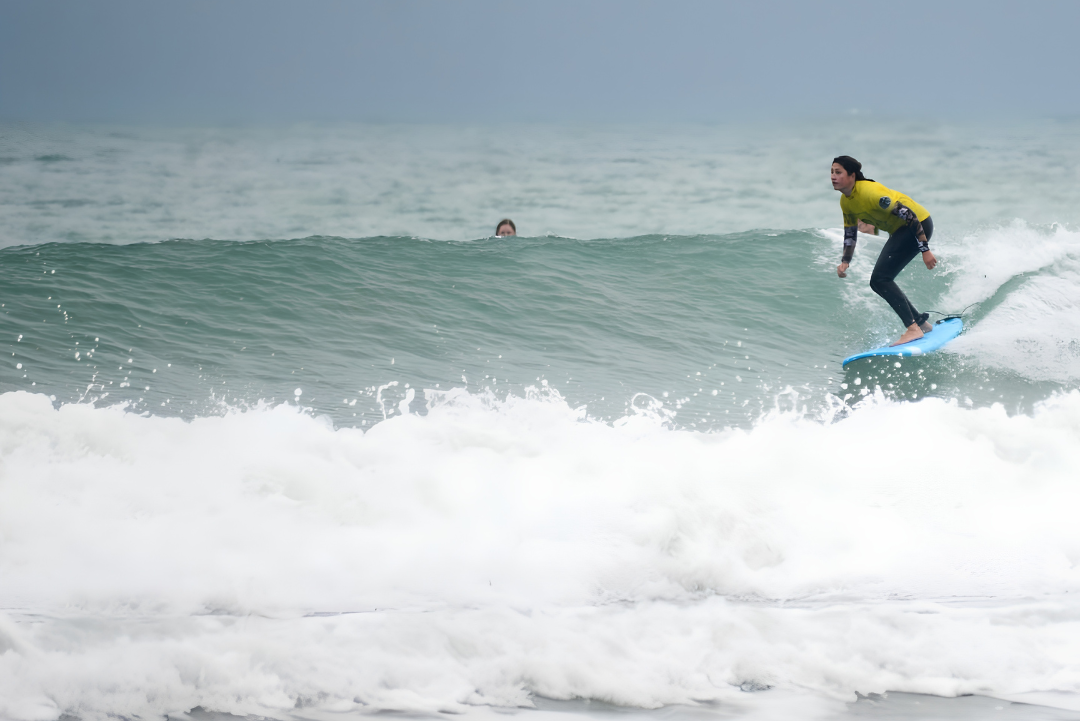
Sometimes a beach that looks flat from the car park has a sneaky sandbank further along that’s actually firing. Small days are a great excuse to explore, find a new spot and discover a little corner of coastline you’ve never surfed before. Work out where the beach is that is most exposed to the tiny swell and go there for some fun waves!
Surf with Good People
Everything is more fun with the right crew. A small wave session with friends who are laughing, encouraging each other and celebrating every little wave is worth a hundred serious big wave sessions on your own. Our Surf Club social events are also perfect for this!
Set Yourself a Challenge
Give yourself something to work on. A cutback on every wave. A hang five. Getting a really long ride all the way to the sand. Making it to the end section. Having a goal turns a flat day into a proper practice session and before you know it an hour has flown by.
How to Read a Small Wave
Reading waves is a skill that takes time, but once it clicks it completely changes your surfing. Here’s what to look for on a small day:
Watch Before You Paddle Out
Spend five minutes on the beach just watching. Where are the waves breaking consistently? Where is the peak? Where do they peel the longest? This is your map for the session.
Find the Peak
The peak is where the wave first starts to break. This is where you want to be sitting, as it gives you the earliest and longest ride. On a small day peaks can shift around with the tide so keep checking throughout your session.
Watch the Horizon
Sets don’t just appear from nowhere. Watching the horizon gives you a few extra seconds of warning so you can paddle into position rather than scrambling at the last minute.
Look for the Peel
A wave that peels along the face rather than closing out all at once is your friend on a small day. These are the waves that give you something to actually surf. A closing out wave gives you one move and it’s over.
Check the Tide
Tide makes a huge difference to how waves break, especially on smaller swells. Many spots work better at a specific tide, so it’s worth checking before you head down and experimenting to find what works best at your local beach. A lot of time, the pushing tide can make the swell grow a little so test this theory for yourself.
Trust Your Instincts
The more you surf, the more you develop an almost instinctive feel for which waves are worth going for. That gut feeling that a wave is going to be good? Trust it. It gets more reliable every time you get in the water.
Where to Find the Best Small Waves in the World (Including a Few of Our Favourites)
Barbados
The south and west coasts of Barbados are small wave paradise. Warm, clear water, gentle rolling swells and reef breaks that peel beautifully. It is the kind of place where you surf in the morning, eat fresh fish for lunch and wonder why you ever stressed about surf conditions in your life. We’ve written a whole guide to surfing in Barbados if you want to find out more about what to expect, and our Women & Waves Barbados trip is built for exactly this kind of relaxed, joyful surf experience.

Bali
While Bali has its big wave spots, there are plenty of mellow breaks perfect for intermediate surfers who want consistent, playful waves in warm water with an incredible backdrop. If you’re wondering whether your level is right for Bali, we’ve written a whole blog post on exactly that which you can read here. Our Bali Island Retreat takes you to the right spots for your level, with coaching and community built in.
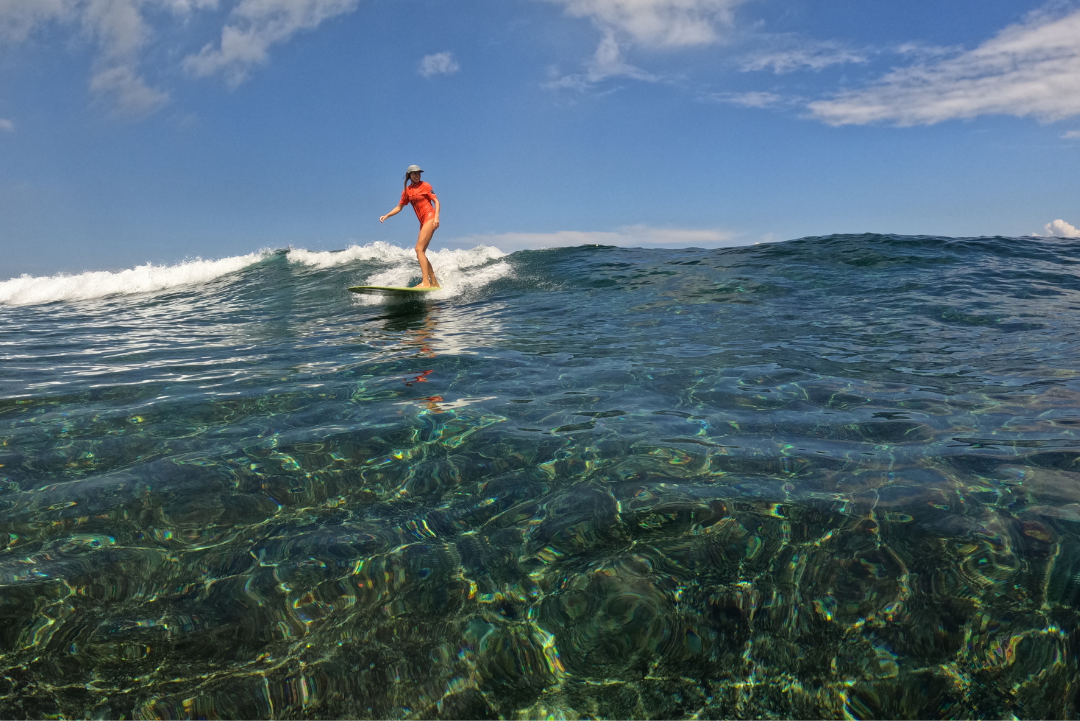
Portugal in August
By August the Atlantic swell has typically settled into small, clean conditions, making it one of the best times to surf Portugal, particularly if you love manageable, fun waves. Less intimidating than winter swells, but with warm evenings and gorgeous scenery. This is why we run our Portugal Surf Camp in August.
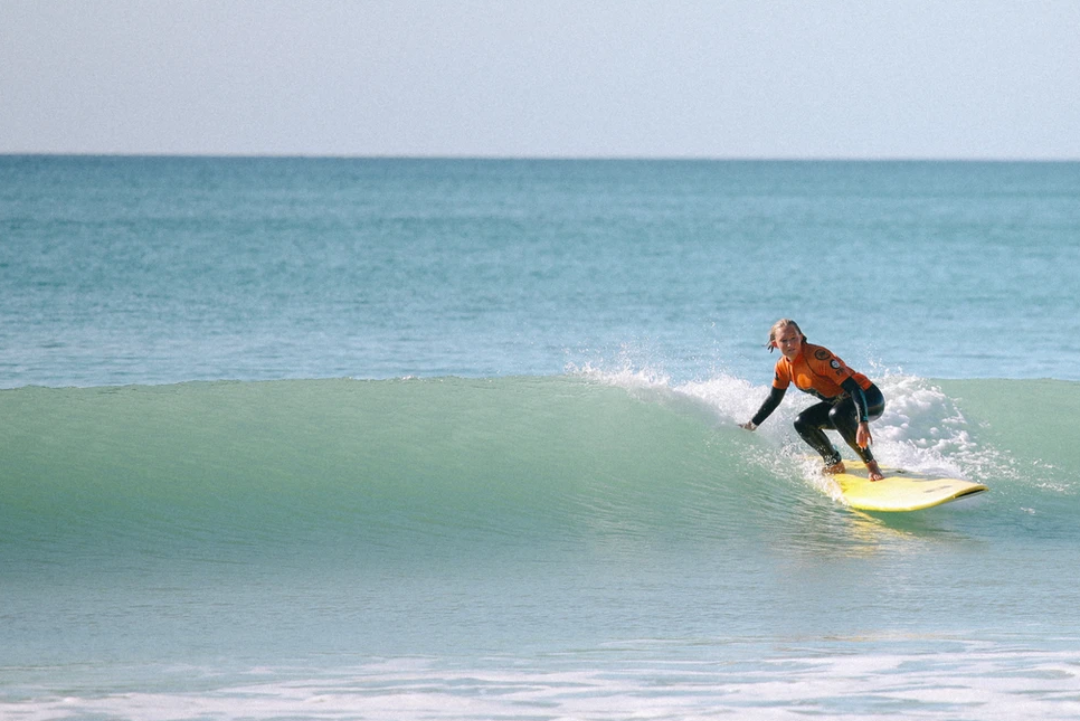
Cornwall
People underestimate Cornwall for small waves because it has a reputation for being wild and powerful. But Cornwall has so many nooks and crannies along its coastline that on almost any given day you can find somewhere sheltered with fun, playful surf. It is one of the things that makes it such a brilliant place to learn and progress. Our Cornwall Surf Camp is a brilliant way to explore that variety with a great group of women.

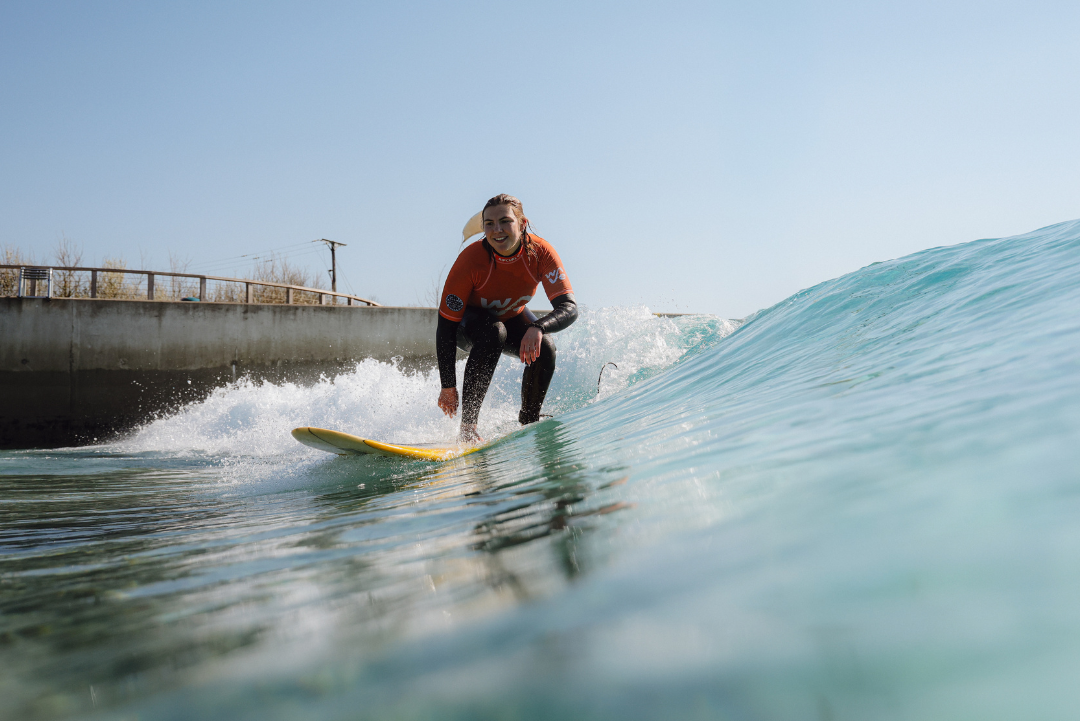
The Wave, Bristol
Not a natural ocean wave but an incredible one. The Wave Bristol gives you a consistent, controlled wave that is perfect for building confidence and working on your technique without any of the unpredictability of the sea. Our Improver Sessions at The Wave are specifically designed for surfers who want to level up in a supportive, low-pressure environment. Ideal if big ocean days feel like too much right now.
A Note on Wave Size (and Why Yours Doesn’t Have to Match Anyone Else’s)
My husband calls three feet “small.” I call three feet a great day. We have been having this argument for years and I suspect we always will.
Wave size is entirely subjective. What feels huge to one person feels tiny to another, and neither of you is wrong. The only thing that matters is whether you are having fun. If you are paddling out on days that terrify you and not enjoying it, you are allowed to sit those out. You are allowed to find your version of fun surf and stay in it for as long as you like. Nobody gets to tell you otherwise.
There is no hierarchy of wave size in real surfing culture. The best session is always the one where you smiled the most.
So go find your small waves. Cruise them. Flow through them. Do your cutbacks and your floaters and your noserides. Grab a bodyboard on the big days if the ocean is firing and it’s not for you. Live your best surf life, whatever size that looks like.
That is what Women & Waves is built for.
Ready to take it further? Every trip we run is beginner-friendly, and some of our favourite destinations are famous for exactly the kind of fun, forgiving waves you love. Your next surf adventure is closer than you think.
Frequently Asked Questions About Small Wave Surfing
Is it worth surfing small waves?
Absolutely. Small waves are actually ideal for working on your technique, trying new moves and just having fun without the pressure of heavy conditions. Some of the best surf sessions happen on days when the waves are small and clean.
What size waves are good for beginners?
Most beginners do best in waves between one and three feet. This gives you enough push to catch the wave and stand up, without the power and speed that can make bigger waves feel overwhelming. As your confidence grows you can start to explore slightly larger surf.
What board is best for small waves?
Longer, wider boards with more volume work best in small waves as they float better and catch waves earlier. Longboards, midlengths, mini mals and foamies are all brilliant choices. The general rule is the smaller the waves, the more volume you want under you. Watch this video here to help you choose the right board.
Can you do tricks on small waves?
Yes! Cutbacks, floaters, pumping down the line, noserides and even small snaps are all very achievable on small waves. In fact many coaches recommend practising manoeuvres in small surf because you have more time to think and less consequence if something goes wrong.
What if the waves are too small to surf?
Even on very small days there are options. Bodyboarding and bellyboarding work brilliantly in tiny surf. You could also use the time to paddle, practise your pop up closer to shore, work on your paddling technique or just enjoy being in the ocean. There is rarely a day where the water has nothing to offer.
Are small waves less dangerous?
Generally yes, though the ocean always deserves respect regardless of size. Small waves carry less power and are more forgiving if you wipe out, which is one of the reasons they are so good for building confidence. Always be aware that you are in shallower water so never dive in head first and be aware of your surroundings, other surfers and any hazards like rocks or rips.